GIS and Spatial Analysis

Primary Artifact Caption:

Title: TIC site selection for Charlotte, North Carolina

Author: Chea Johnson

Date: April 30, 2019

Reflections:

Lessons learned throughout this course was that mapping is a complex project. However, with adequate tools and knowledge, mapping can be achieved easy. While designing a map, the author can be as creative as they want with adding layers and information to the map. However, overloading a map with information can be a source of distraction rather than providing information that is useful.

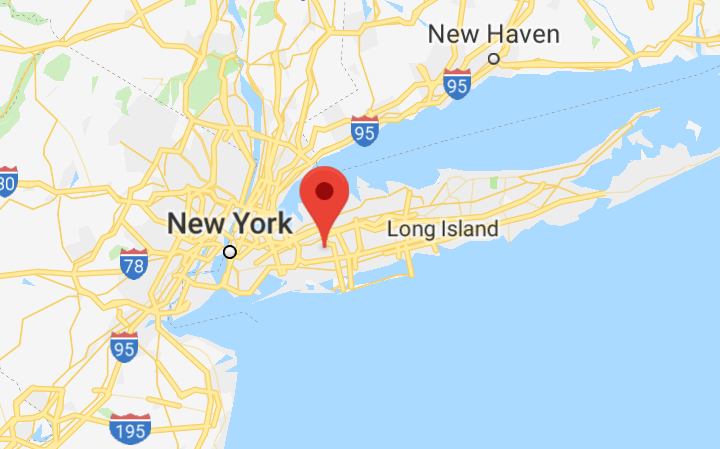
The final project for this class required that we identify a site for a new Tourist Information Center (TIC). The process began with locating different attractions throughout the Charlotte area. Once the attraction sites were selected, the criteria used in selecting the best TIC site was being centrally located to all attractions and road accessibility for tourist to travel to all attraction sites.

The interesting and enjoyable aspect of completing this assignment was incorporating the mobile app to collect data and integrating this information on the previously used ArcGIS Online Map. With the more people using mobile devices to access information it was exciting to see how this can be utilized in the field of GIS and Spatial Analysis. Another aspect of this assignment that resonated with me is how decision making should be, and needs to be, supported by knowledge and information. This assignment allowed us to perform specific data analysis, which provided needed information to make an informed decision on the site that would most ideal for our customers.

Data Management and Evaluation

Artifact Caption:

Title: Charlotte Elite Academy Infographic

Author: Chea Johnson

Date: November 30, 2019

Reflections:

The final project directed us to gather information through surveys, from program participants. Throughout the course we discussed methods of collecting data, and applied this knowledge towards this assignment. The course detailed ways to manage an organize data and how it may be used for the benefit of marketing and promoting an organizations operations and programs.

For this assignment I choose to use participants of Charlotte Elite Academy Youth Sports Program. Through survey distribution, I was able to compile information such as demographic make up, gender breakdown, satisfaction of program participants, and percentage of returning program participants. Once data was collected, it was then organized using a variety of graphs and charts. The final project produced an infographic with the data, charts, and graphs that can be utilized to promoting Charlotte Elite Academy Sports Programs.

Advanced Fiscal Management

Artifact Caption:

Title: Project Redirect Grant Proposal

Author: Chea Johnson

Date: September 19, 2018.

Reflections:

For this final project we were required to select a non-profit organization or program and develop a grant proposal, in an effort to secure funding. The process began with researching and selecting an approved RFP (Request For Proposal) which details the scope of funding and requirements to secure funding. In order to start grant proposal process, the organization selected needed to meet requirements in RFP.

To be successful in the completion of this assignment, a thorough understanding of the mission and purpose of the organization selected, and how it addresses the problem or need of the community it served, was required. Within the proposal, a thorough description of the organization or program being executed was a required element. A detailed description of how I intended to evaluate the effectiveness of the program a significant component of the proposal developed.

A significant aspect to a grant proposal and its relevancy to this course, was detailing the financial budget of the organization and the cost of the project being executed. A determining factor in securing grant funds is the ability to demonstrate your organization can manage funds received. Presenting an itemized budget, detailing how to manage funds received is a major factor in securing grant funds.

For me this project was extremely valuable and relevant, due to working in the public and non-profit sector. Public and non-profit sectors are always in need of funding and alternate funding sources. Going through this process allowed me to have broader knowledge and understanding of the steps and components an agency needs to have in place to secure grant funding.

Conceptual Foundations

Artifact Caption:

Title: Benefits of Sports Participation on Youth Development

Author: Chea Johnson

Date: November 22, 2018

REFLECTIONS:

This assignment required students to perform scholarly research investigating a topic, issue, or challenge in the park, recreation, tourism, or sports industry. The assignment started with selecting a topic, finding supporting facts and documents supporting the issue, and then organizing the information researched and presenting information in a manner that gave a compelling argument establishing the validity of the position taken. The final step in the completion was to properly cite the sources in which supporting information was retrieved.

This process allowed me to reflect on how important and valuable using research and statistics to assist in justifying a position and/or argument. As an employee of a government entity (Mecklenburg County Park and Recreation Department) and manager of a non-profit organization (Charlotte Elite Academy), I am aware of the need to be able to effectively articulate and lobby for what is needed to provide essential programs and services. In both the public and non-profit sector, the need to justify funding and programming is essential to their operation. Many of the assignments and course discussions demonstrated how to use the process of compiling and organizing researched information for the purpose of securing essential business needs.

Final Reflections

I earned a BS in Sport Management from Winston-Salem State University over 20 years ago. Since then, much has changed both personally and professionally. Over this time my family and professional responsibilities have grown exponentially. So, the thought of embarking on a masters program and returning to school required serious contemplation. After much thought, I recognized the value of increased knowledge and credential would have on me, both personally and professionally. This fact made the choice to embark on this journey an easy decision.

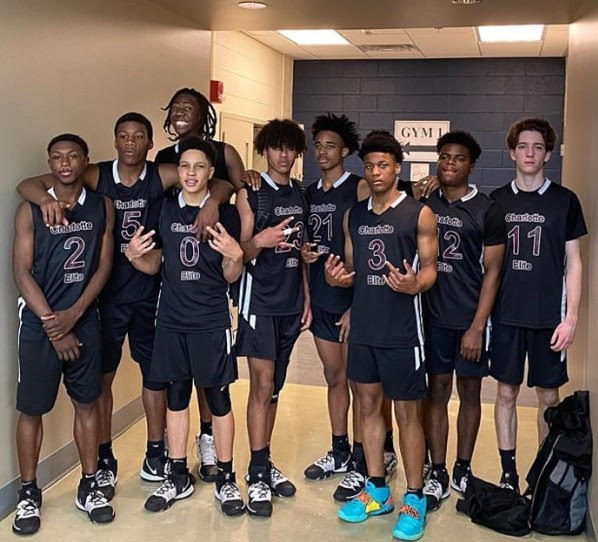
I enrolled in North Carolina State University Master’s in Park, Recreation, Tourism, and Sport Management program in August of 2018. In hindsight, the timing of this enrollment was ironic, due to only months earlier establishing an Independent Interscholastic Athletics Program, Charlotte Elite Academy, in May of 2018. Starting grad school, establishing an organization, all while working a full time job and having a family may not be the most ideal conditions and presented many challenges. However, with these challenges also came mutual benefits.

A major adjustment when starting the program was managing my time, so that all my responsibilities received adequate attention. To ensure success in the program, I had to be creative in finding the time, outside of work and family responsibilities, to dedicate towards program studies. Completing courses in eight week was a unique experience. Each course had its own rhythm and flow to it, and quickly adjusting to the uniqueness of the individual courses was paramount in being successful. Some courses were reading intensive, some were project oriented, some involved completing assignments independently, and others required group interaction. Each professor’s teaching style and course requirements were unique and it usually took a minimum of a two weeks for me to get adjust to the course style.

Prior to the start of each course, we received the course syllabus and weekly assignment on moodle. This provided students with a snap shot of what the course entailed. In many cases, after viewing the course requirements and assignments at the start of the class, produced a mixed feeling of excitement, apprehension, and anxiety. However, each professor was able to deliver course content and assignments in a manner which eased much of the early anxiety and ultimately led to my successful completion of each course and the program.

As stated earlier, with the challenges this program brought, it accompanied great benefit. Yes, this program increased my knowledge, and upon completion of the program I will be more qualified professionally. Just as importantly, the program was invaluable with helping to develop necessary infrastructure for my newly form sports program, Charlotte Elite Academy.

Every course in this program provided practical knowledge that organizations can use for growth and sustainability. I utilized these tools and principles to aid me as a recreational professional and for the growth and development of the newly formed Charlotte Elite Academy. Throughout the program, course assignments required that I develop practical programs, polices, and procedures that aid in organization growth and success.

These past two years and the information studied during this program was beneficial in a practical manner. Without knowing as I embarked on this journey, course discussions and assignments directly contributed to the growth and development of my newly formed sports academy Charlotte Elite Academy.

This was evident as I used Charlotte Elite as the organization of choice when completing many of the capstone projects such as a comprehensive grant proposal for PRT 503: Advance Fiscal Management, a comprehensive marketing plan for PRT 507: Strategic Marketing Management, a risk management plan for PRT 508: Risk Management, and with the completion of an Organizational Analysis for PRT 506: Organization Behavior and Leadership.

These are all examples of course content and assignments directly contributing to the improvement, growth, and success of newly established organization. This program has advanced my knowledge and professional capacity, which undoubtedly will assist me with achieving greater personal, professional, and business success.

Artifacts

This section highlights one paper or presentation submitted for each of the required courses for N.C. State’s Online Masters in Parks, Recreation, Tourism and Sports Management. These primary artifacts highlight key takeaways from the classes, as well as how the classes fit together in the program.

Please use the artifacts drop-down menu above or click the links below to access artifacts, as well as my personal reflections on the assignments.

PRT 500: Conceptual Foundation

PRT 503: Advanced Fiscal Management for Parks, Recreation, Tourism, & Sport

PRT 504: Data Management and Evaluation in Parks, Recreation, Tourism, & Sport

PRT 505: GIS and Spatial Analysis in Parks, Recreation, Tourism, & Sport

PRT 506: Organizational Behavior and Leadership in Parks, Recreation, Tourism, & Sport

PRT 507: Strategic Marketing Management in Parks, Recreation, Tourism, & Sport

PRT 508: Risk Management for Parks, Recreation, Tourism, & Sport Organizations

PRT 595: Sustainable Tourism and Evaluation

PRT 512: Sport and Entertainment Venue Management Operations and Services

PRT 595: Mentoring Tourism Microentrepreneurs

Risk Management

Course Description:

Risk Management for parks, recreation, tourism, and sport organizations with an emphasis on ethical managerial strategies. Students will learn how legal concepts relate to specific managerial functions and how a knowledge of law and its impact on functions of recreation environments can help build a more efficient and successful operation that better serves the needs of its constituents and protects its ability to provide products and services. Students will also learn how effective strategies for risk management in parks, recreation, tourism and sport organizations can facilitate active-healthy lifestyles and sustainable communities.

Learning Objectives:

• Summarize principals of risk management within the context of basic management functions such as governance, human resource management, and organizational operations.

• Identify and describe policies and practices for managing program and service risks. Emphasis on employee selection & qualifications, supervision issues, training considerations, safety and security issues, appropriate documentation.

• Advanced analysis of policies and practices for managing recreation facility, built environments, trails & open space risks such as maintenance/inspection issues, OSHA guidelines and compliance, and contract negotiation and management.

• Identify and describe policies for managing human resource risks (e.g., constitutional law issues, EEO, OSHA, discrimination, fair labor standards, working conditions)

• Discussion how effective strategies for risk management in parks, recreation, tourism and sport organizations can facilitate active-healthy lifestyles and sustainable communities.

• Critically evaluate the risks inherent in a selected parks, recreation, sport or tourism operations and discuss strategies for managing risks

Reflection:

In the park, leisure, tourism, and sports industries risks are ever present. Having the capacity to manage, minimize, or eliminate these risks can determine an organizations ability to remain in existence. The course highlighted the need to have specific measure in place to help minimize and/or respond to risk associated with organization activities.

Once again, this course provided me an opportunity to implement practices and policies to assist in the growth, development, and protection of the newly formed sports academy, Charlotte Elite Academy. As a recreation and sport professional, I am aware of general risks and measures taken to minimize liability. However, the course provided a deeper awareness to elements that can bring potential harm or damage to an organization and putting policies and procedures in place to respond to such risks.

Strategic Marketing Management

Course Description:

This course examines the theoretical underpinnings and practical applications of marketing and promotion strategies for recreation, participant sport, and spectator sport. Covers key marketing concepts and strategies using case studies. There is significant discussion on marketing activation and leveraging strategies and developing a marketing plan.

Learning Objectives:

• Define and apply key sport/rec. marketing concepts

• Understand the theories that underline sport/rec. marketing processes

• Understand how to create and apply a sport/rec. marketing plan

• Evaluate sport/rec. marketing strategies and tactics

• Identify future trends and challenges in marketing and how they can associate with current

• Sport/rec. marketing practices

Reflection:

Marketing is a major factor in determining program participation and business growth. This course presented marketing concepts, processes and tactics, that if effectively used, can increase an organizations ability to reach target markets. With the vast options available to customer, an effective marketing strategy is vital to an organizations ability to remain in the market.

The main assignment in this course challenged students to identify an organization and develop a comprehensive marketing plan. I, once again, took the opportunity to use my newly formed Sports Academy (Charlotte Elite Academy) to develop a marketing plan. Leaning on concepts, strategies, and tactics discussed throughout the course, I was successful in developing a practical marketing plan to increase exposure and market awareness for Charlotte Elite Academy. As a newly formed organization trying to establish a brand and increase market visibility, this marketing plan has been extremely beneficial in increasing visibility and awareness to potential customers.

Organizational Behavior and Leadership

Course Description:

This course will focus on the organization and administration of public, private and not-for-profit sport, park, tourism and recreation (SPTR) agencies. The primary unit of analysis in this class is the SPTR organization and the environment in which it operates. Emphasis will be placed on understanding the structural, human, political, and cultural factors that impact organizational efficiency and effectiveness – specifically focusing on these environments.

Learning Objectives:

• Exhibit an understanding of the environment in which sport, park, tourism and recreation (SPTR) organizations operate.

• Identify and describe key principles related to effective administrative practice, such as planning, resource acquisition, positioning, and personnel & volunteer leadership.

• Demonstrate knowledge and application of relevant theory, research, and practice related to key aspects of organizational behavior in SPTR organizations.

• Recognize organizational behavior challenges and demonstrate intervention techniques used for recruiting and managing staff and employees.

• Demonstrate the ability to evaluate critical factors contributing to organizational leadership in SPTR organizations.

Reflection:

This is another course that was impactful beyond the classroom for me. As stated previously, I embarked on a mission to establish a sports academy (Charlotte Elite Academy) at the same time as this masters program began. Course content and material allowed me to take an objective observation of the current structure, human resource procedures, political dynamics, and culture of the newly formed Charlotte Elite Academy. Studying the materials in this course provided me the opportunity to analyze strengths and weaknesses of Charlotte Elite Academy and make necessary decisions to reinforce positive elements within the organization and reframe areas that were identified as liabilities.

GIS and Spatial Analysis

Course Description:

Spatial reasoning and GIS are increasingly important tools for evaluation and research in many fields of study, including parks, recreation, tourism and sport (PRTS). This course is intended to provide masters-level students with the opportunity to increase their ability of spatial reasoning and develop basic skills of handling, evaluating and analyzing spatial data in common geographic information systems (GIS) platforms. Through this experience students would be able to enhance understanding of conceptual foundations of PRTS fields from the spatial perspective, to make more informed spatial decisions in planning and management of PRTS resources and services, and to be intelligent users of spatial data and GIS tools for research and evaluation.

Learning Objectives:

By the end of this course students will be able to:

1. Define geographic information science, GIS and GPS and articulate their relevance to the PRTS fields.

2. Describe and explain the basic concepts and typology of spatial reasoning and spatial analysis

3. Identify spatial data sources and acquire data relevant to the field of PRTS

4. Collect and integrate spatial data from various data sources (field collection, Internet, etc.)

5. Perform basic operations in GIS (ArcGIS), digital earth software (Google Earth) and widely accessible GPS units (Garmin).

6. Formulate meaningful spatial questions and implement a conceptual model to solve the questions in the GIS environment

7. Communicate spatial analysis results effectively with peers via different media

Reflection:

This class was one of the more challenging courses for me, as I do not consider my self “tech-savvy”. Many of the assignments required me to utilize the “trial and error” approach to complete. However, the detail instructions provided throughout the course allowed me to be successful with all the assignments and ultimately the class.

Society as become more and more reliant on technology to aid us in our personal and professional lives. The course demonstrated how GIS and Spatial Analysis has aided professionals in park, recreation, leisure, and sport industries. Whether it is using GPS and maps to locate parks, tracking shot selection of professional athletes, or using apps to find the best route to drive to work. There is no doubt GIS and Spatial Analysis is utilized and relied on for a multitude of purposes.